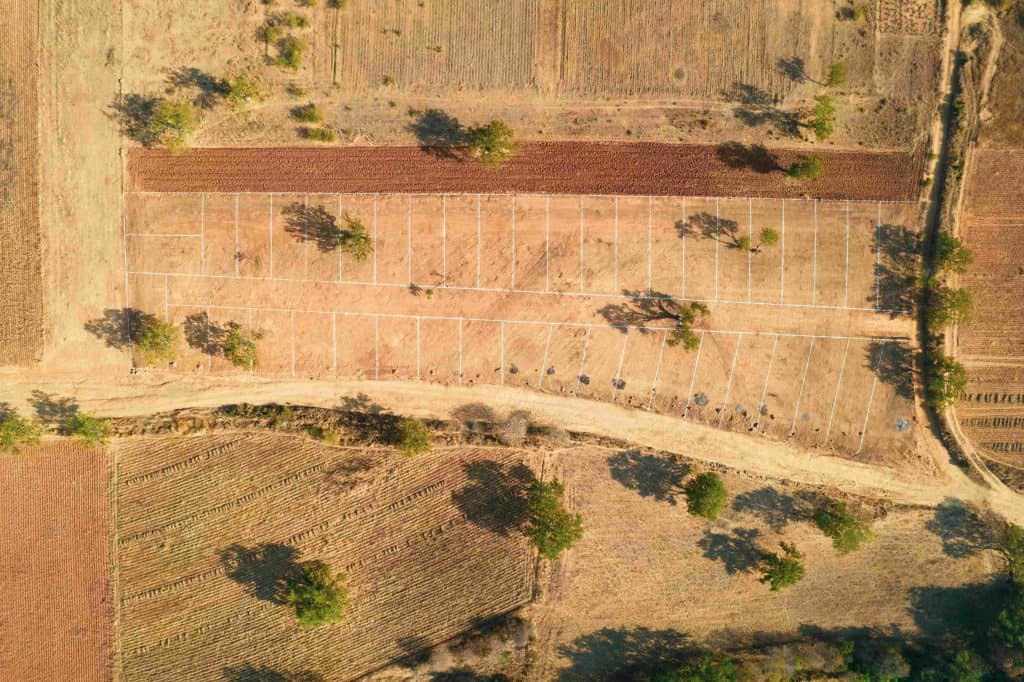
Buying land safely in Kenya carries real risks such as fraudulent titles and ownership disputes. To ensure you do not lose your money you should conduct due diligence covering the following key areas:
1. Title verification
- Conduct an official search at the relevant Land Registry (or via the Ardhisasa online platform for registered land) to confirm the identity of the registered owner, existing encumbrances, caveats, or charges on the land.
- To confirm the title is genuine and matches the seller’s identity documents, ensure you obtain a copy of the national identity card of the vendor/seller.
2. Land classification and status
- Determine whether the land is freehold or leasehold; if leasehold, check the remaining lease term and any renewal conditions.
- For agricultural land, confirm if consent from the Land Control Board is required as it is mandatory for subdivision or transfer of agricultural land in many areas.
- Check zoning and land use restrictions with the county government.
3. Physical verification
- Conduct a physical land survey and beacon confirmation with a licensed surveyor to ensure boundaries match the title deed and there’s no encroachment.
- Physically visit the site and compare it against survey maps.
4. Ownership and succession issues
- If the seller inherited the land, confirm probate/succession has been properly completed to avoid future claims from other heirs.
- If the seller is married, confirm spousal consent, since Kenyan law requires this for disposal of matrimonial property.
5. Rates, rents, and outstanding liabilities
- Obtain clearance certificates for land rates (county government) and land rent (national government, for leasehold land) to confirm there are no arrears.
6. Environmental and planning compliance
- Check for any NEMA (National Environment Management Authority) restrictions, especially near water bodies, forests, or riparian land.
7. Legal representation
- Engage a qualified advocate to conduct searches, draft/review the sale agreement, and handle the transfer process, including stamp duty payment and registration.
Given the prevalence of land fraud in Kenya, buyers should never rely solely on documents shown by the seller. Independent verification at the registry and county offices is essential.